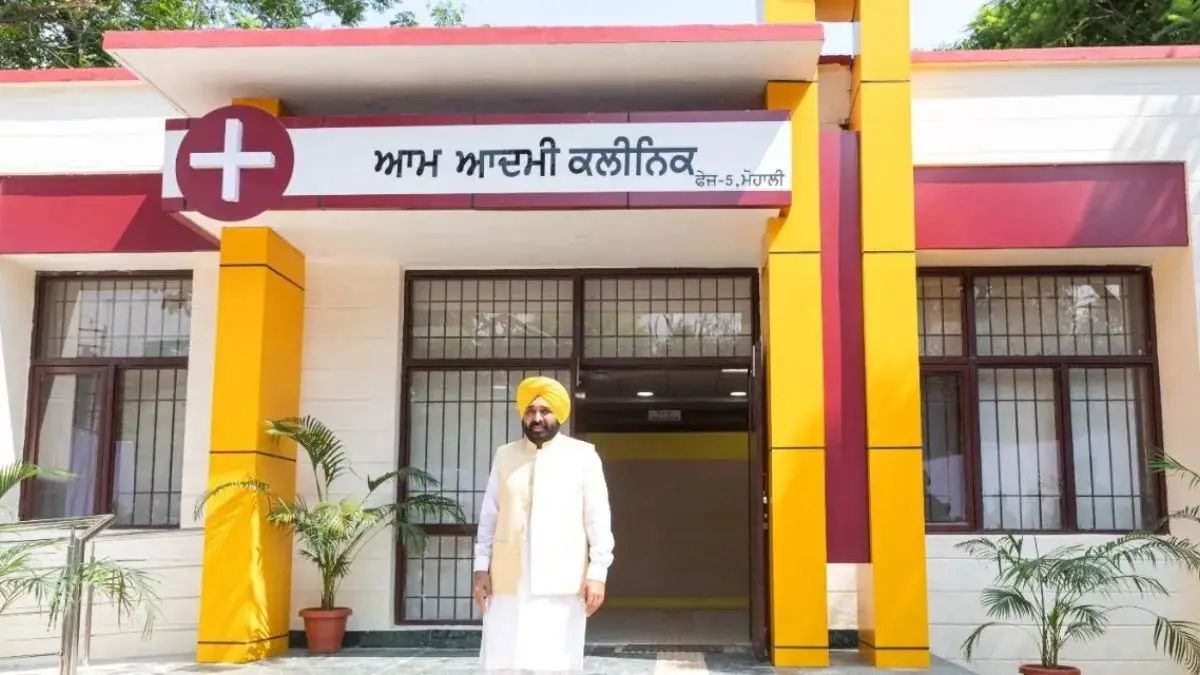
Chandigarh, 23 October 2025: Under the visionary leadership of Chief Minister Bhagwant Mann, Punjab’s “Aam Aadmi Clinic” scheme has emerged as a groundbreaking initiative in the state’s healthcare sector. This historic program has not only fortified Punjab’s health infrastructure but has also brought tangible improvements in the daily lives of ordinary citizens. Earlier, rural and economically weaker communities had to travel long distances to urban hospitals even for minor ailments. Today, thanks to neighborhood and village-based Aam Aadmi Clinics, quality medical care is accessible and free for everyone.
Promoting Equality in Healthcare
The Aam Aadmi Clinic initiative reflects Punjab’s commitment to equitable healthcare. Health Minister Dr. Balbir Singh reports that there are currently 881 operational clinics across the state, including 565 in rural areas and 316 in urban locations. These clinics collectively serve approximately 73,000 patients daily, underscoring the public’s trust and the program’s effectiveness as a true service to the people.
Achievements and Impact
Over the past few years, Aam Aadmi Clinics have treated a total of 4.20 crore citizens. Out of this, 2.29 crore patients received general outpatient services, while 1.91 crore underwent various medical tests. Free diagnostic services include 6.13 lakh blood tests and 2.48 lakh sugar tests, highlighting the government’s focus on accessible healthcare without financial burden.
Focused Care for Vulnerable Groups
The scheme has been particularly beneficial for women, children, and the elderly. Reports indicate that 13.9 lakh women, 6.13 lakh children, and 2.48 lakh elderly individuals have received medical care through these clinics. This demonstrates the government’s commitment to inclusivity and social justice, ensuring health rights for every segment of society.
Health Awareness and Preventive Care
Beyond treatment, Aam Aadmi Clinics also function as “Health Awareness Centers.” Patients are educated about disease prevention, nutrition, regular exercise, and the importance of routine check-ups. These initiatives are helping citizens adopt healthier lifestyles and enabling early detection and prevention of diseases.
Decentralizing Healthcare Services
According to Dr. Balbir Singh, the program is designed to bring doctors and paramedical staff directly to villages, decentralizing healthcare services and strengthening rural medical infrastructure. Citizens no longer need to visit district hospitals for minor ailments, reducing the pressure on larger medical facilities.
A Vision for a Healthy Punjab
Chief Minister Bhagwant Mann emphasizes that the purpose of Aam Aadmi Clinics is not only to provide medical treatment but to foster a “healthy and self-reliant Punjab.” The model has already inspired discussions in other states, showcasing how well-planned public policies can drive meaningful change.
Conclusion: A Model of Public Welfare
Today, Aam Aadmi Clinics are more than just healthcare facilities—they are symbols of public service and a new approach to governance. This initiative highlights how a responsive and people-focused government can meet citizens’ expectations, improve public health, and set a benchmark for other states. Punjab is now recognized as a model state in the country, demonstrating that healthcare reform can be both effective and equitable.